Visit
Bari, Italy
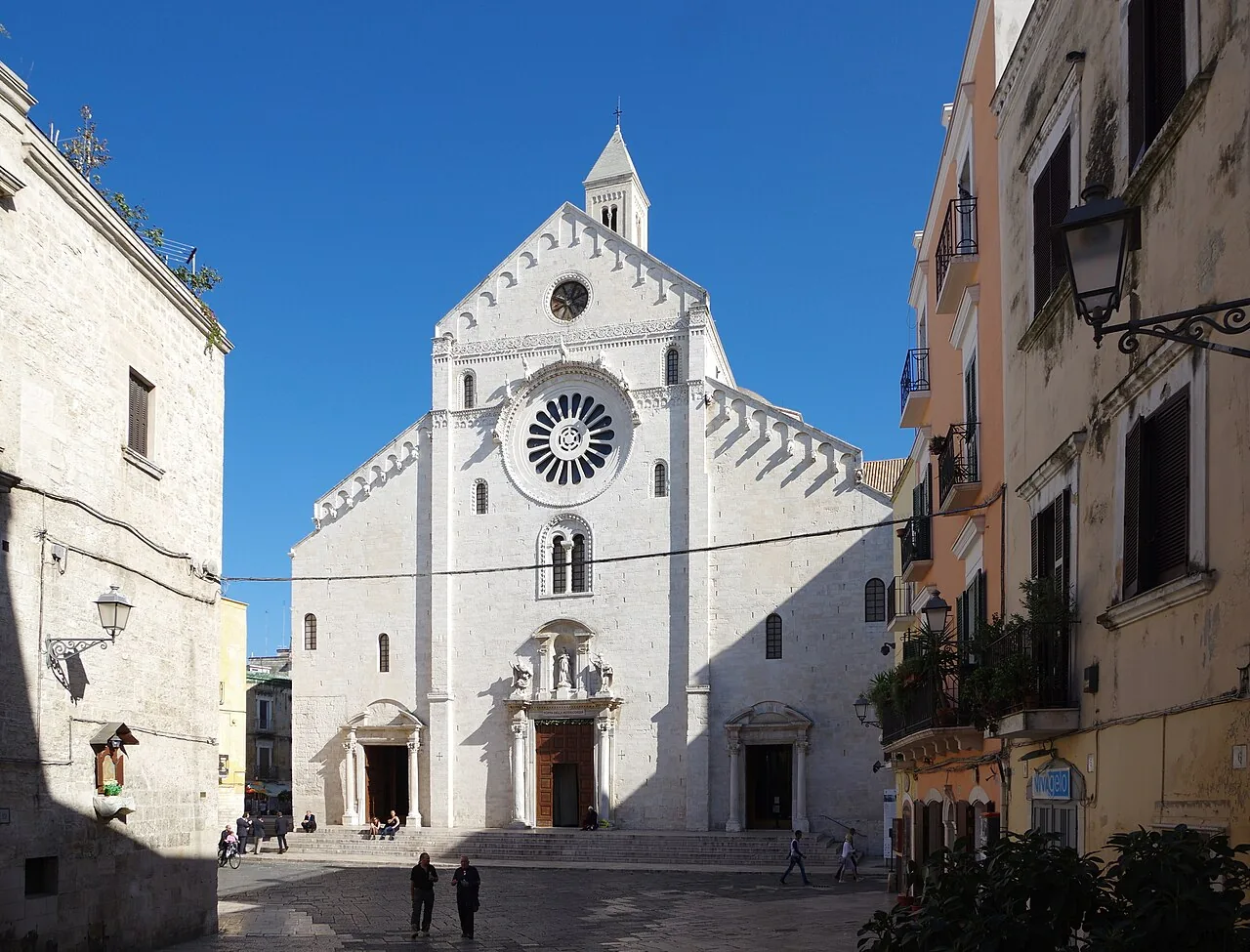
Photo: Berthold Werner. Source: Wikimedia Commons (Bari BW 2016-10-19 13-57-32.jpg). License: CC BY-SA 3.0. Downloaded on 16 August 2026
Bari is the capital of the Apulia region and serves as a major port and cultural hub on the Adriatic coast. The city blends ancient history with modern urban life, characterized by its distinct division into the old town, known for its narrow medieval streets and stone architecture, and the newer, more expansive districts. Visitors experience a vibrant atmosphere where traditional Pugliese cuisine, particularly fresh seafood and orecchiette pasta, is central to daily life. The city’s identity is shaped by its maritime heritage, evident in its bustling harbor and historic churches. Today, Bari acts as a gateway to the Italian southeast, offering a mix of religious significance, archaeological sites, and lively coastal promenades that reflect its enduring Mediterranean character.
Cathedral of San Sabino
The city's primary cathedral features a mix of Romanesque and Gothic architectural styles. It houses the relics of Saint Sabino, the patron saint of Bari.
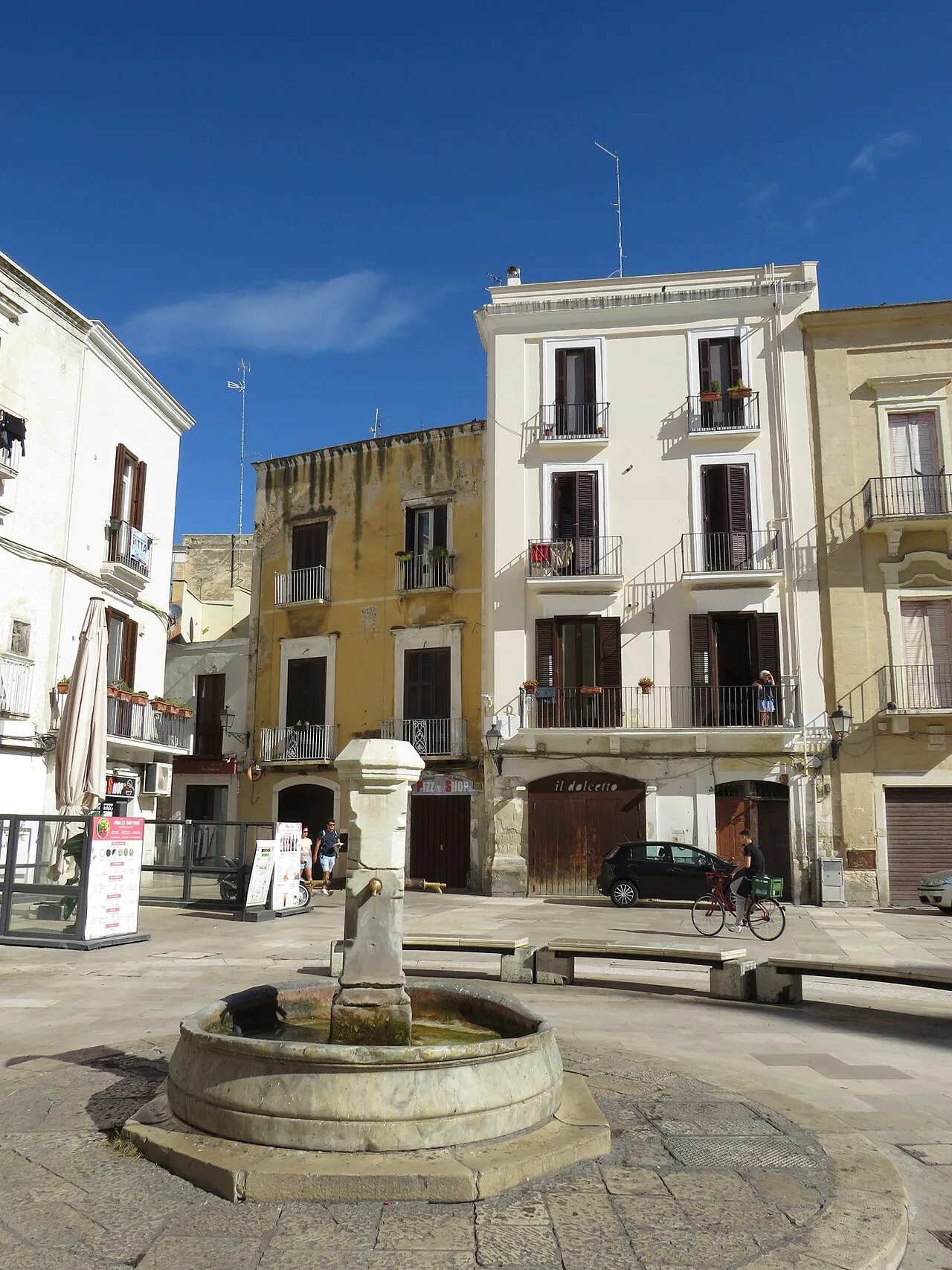
Photo: Enric. Source: Wikimedia Commons (064 Piazza Mercantile (Bari), amb la Fontana della Pigna.jpg). License: CC BY-SA 4.0. Downloaded on 16 August 2026
Piazza Mercantile
A central public square in the historic center that serves as a social and commercial hub. It is surrounded by historic buildings and cafes typical of the old town.
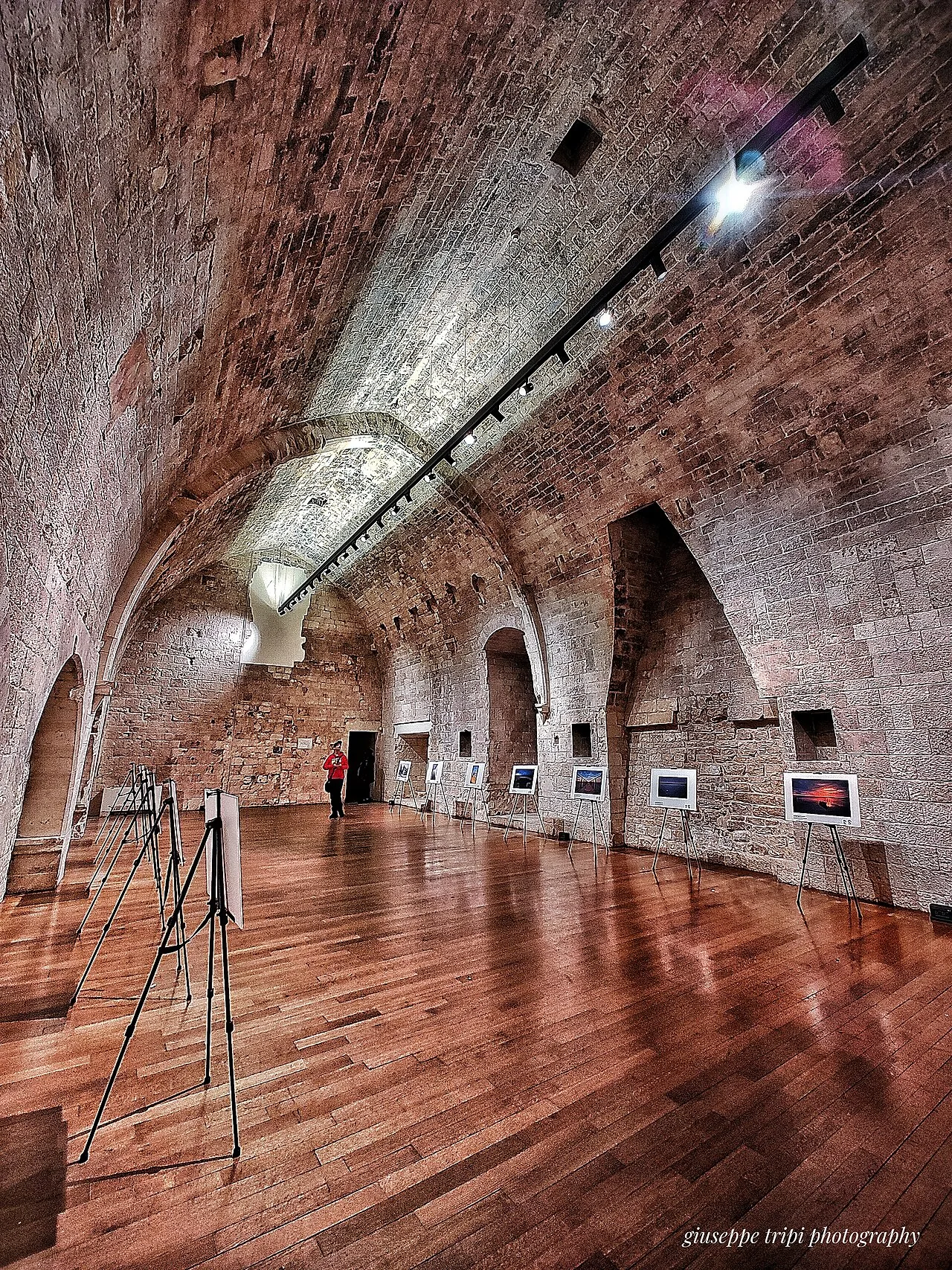
Photo: Peppuccietto. Source: Wikimedia Commons (Castello Normanno-Svevo 2.jpg). License: CC BY-SA 4.0. Downloaded on 16 August 2026
Castello Normanno-Svevo
A medieval fortress located on a small island in the harbor. It has served as a military stronghold and prison throughout its history.
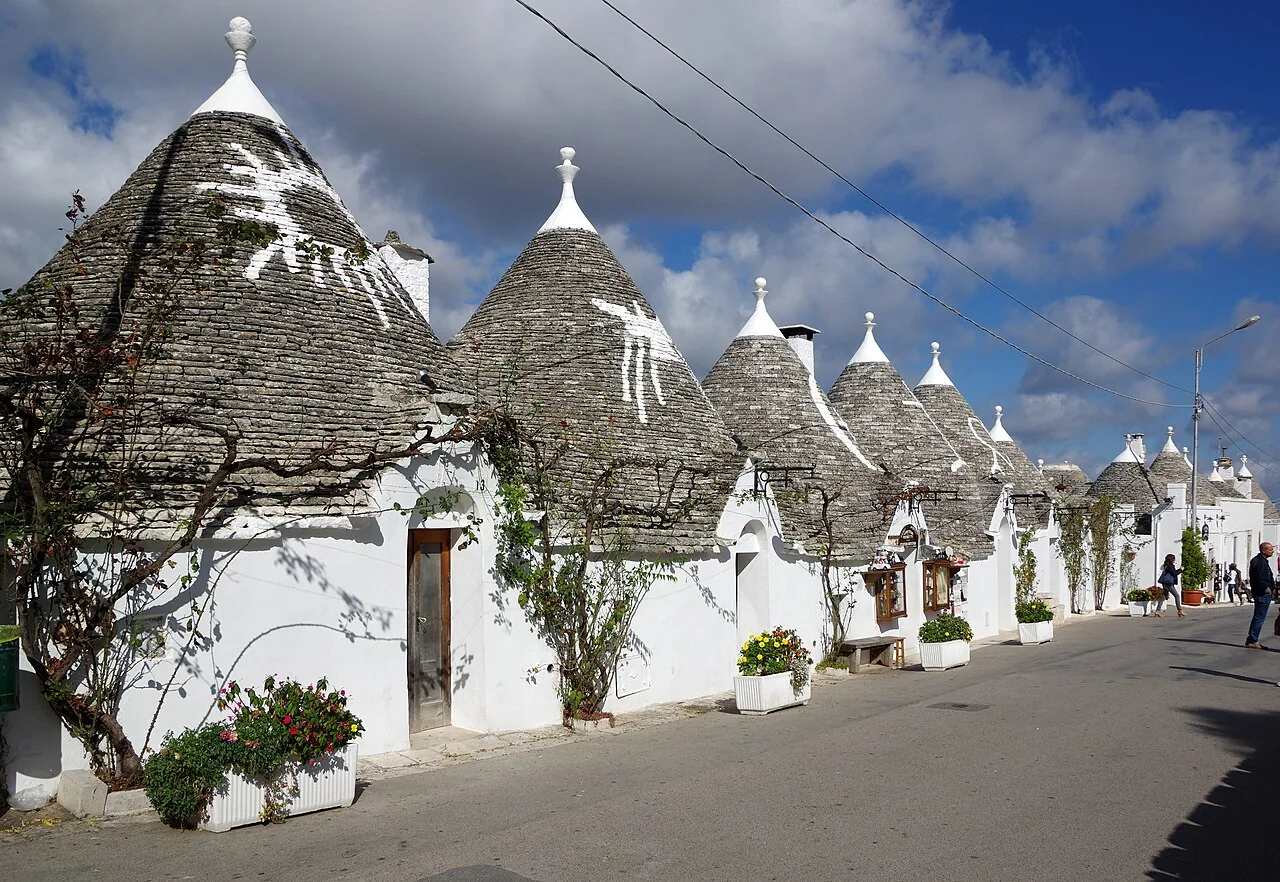
Photo: Berthold Werner. Source: Wikimedia Commons (Alberobello BW 2016-10-16 13-44-51.jpg). License: CC BY-SA 3.0. Downloaded on 16 August 2026
Alberobello
A nearby town famous for its unique trulli, conical-roofed stone houses. It is a UNESCO World Heritage site and a popular day trip destination from Bari.