Visit
Banja Luka, Bosnia and Herzegovina
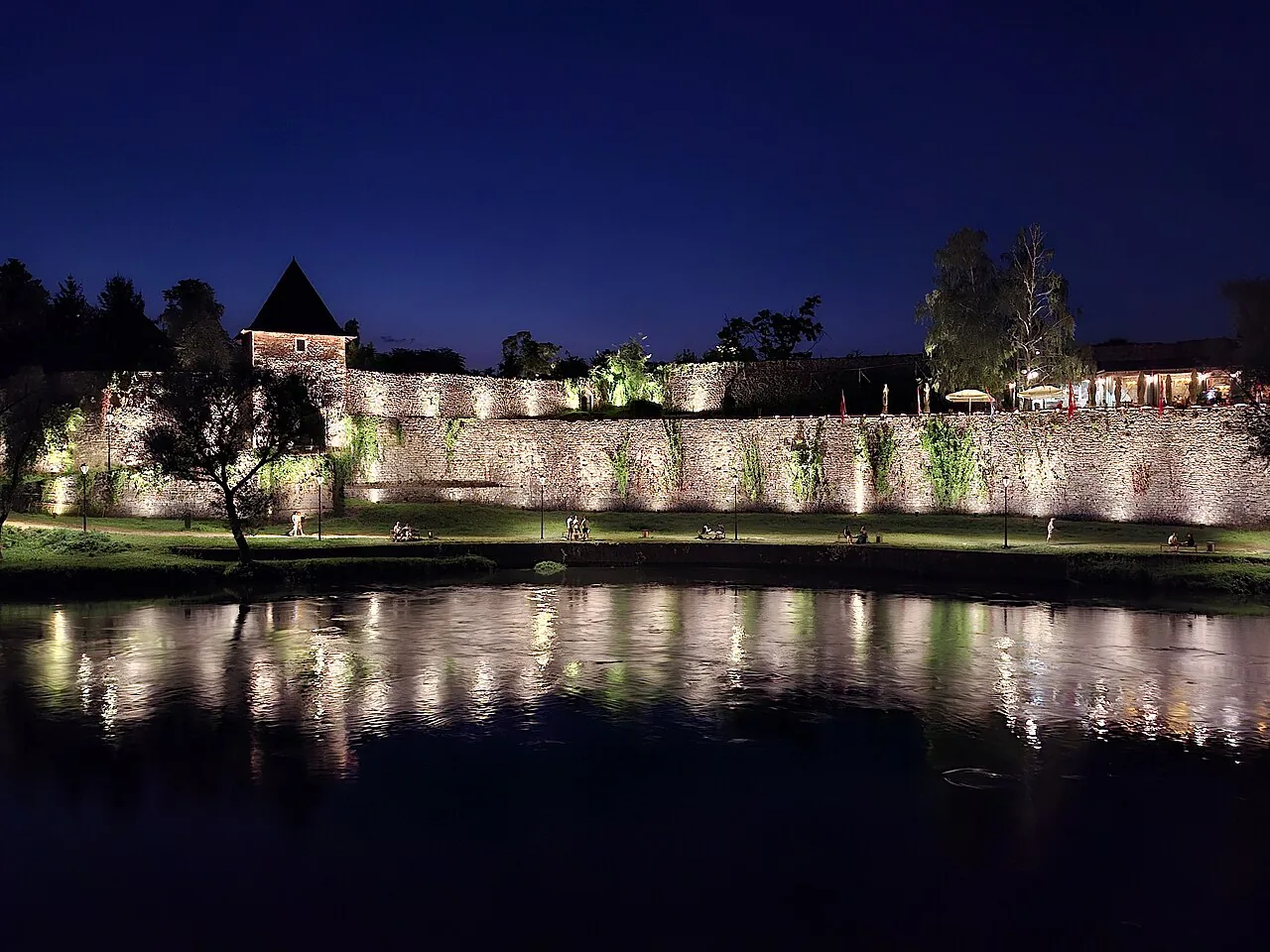
Photo: ArhistefoBL. Source: Wikimedia Commons (Tvrdjava Kastel Banja Luka noc.jpg). License: CC0. Downloaded on 16 August 2026
Banja Luka serves as the administrative and cultural center of the Republika Srpska entity within Bosnia and Herzegovina. Situated along the Vrbas River, the city blends Ottoman heritage with Austro-Hungarian architectural influences. Its historic core features well-preserved wooden houses and stone bridges that reflect centuries of multi-ethnic coexistence. The urban landscape is defined by green parks, riverbanks, and a mix of religious sites, including prominent Orthodox churches and mosques. As a major economic hub, it offers a vibrant local market and a steady flow of cultural events. The surrounding hills provide scenic views and access to natural landscapes, making it a key destination for exploring the northern Bosnian region.
Kastel Banja Luka
A 16th-century fortress built by the Ottoman Empire, offering panoramic views of the city and the Vrbas River. It houses a museum dedicated to the local history and military heritage of the region.
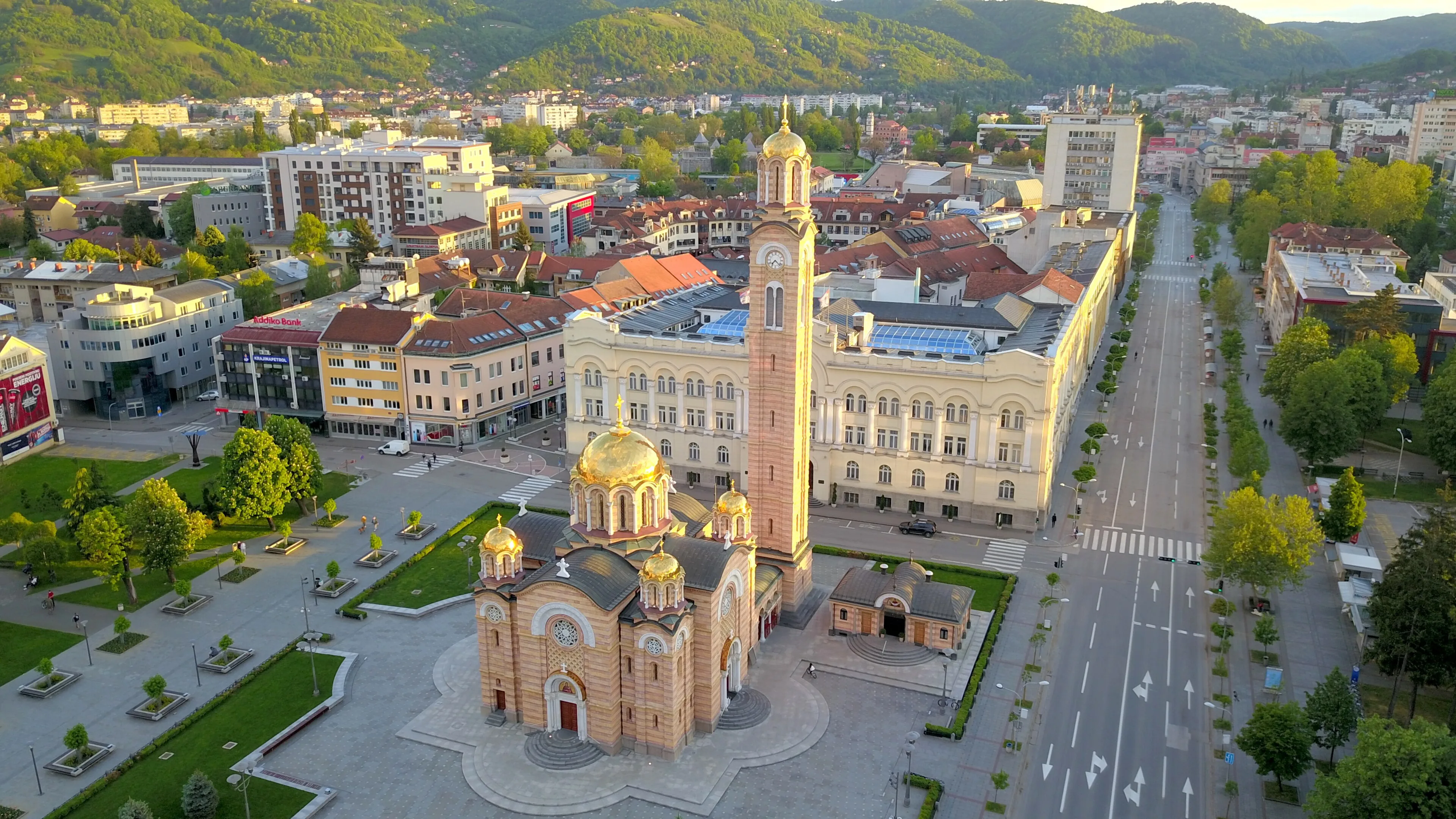
By Tomas Damjanovic Banjaluka - Own work, CC BY-SA 4.0, Downloaded on 18 August 2026
Banja Luka centre with Cathedral of Christ the Saviour
The Cathedral of Christ the Saviour is an Eastern Orthodox church located in Banja Luka. Its also the main centre of the town.
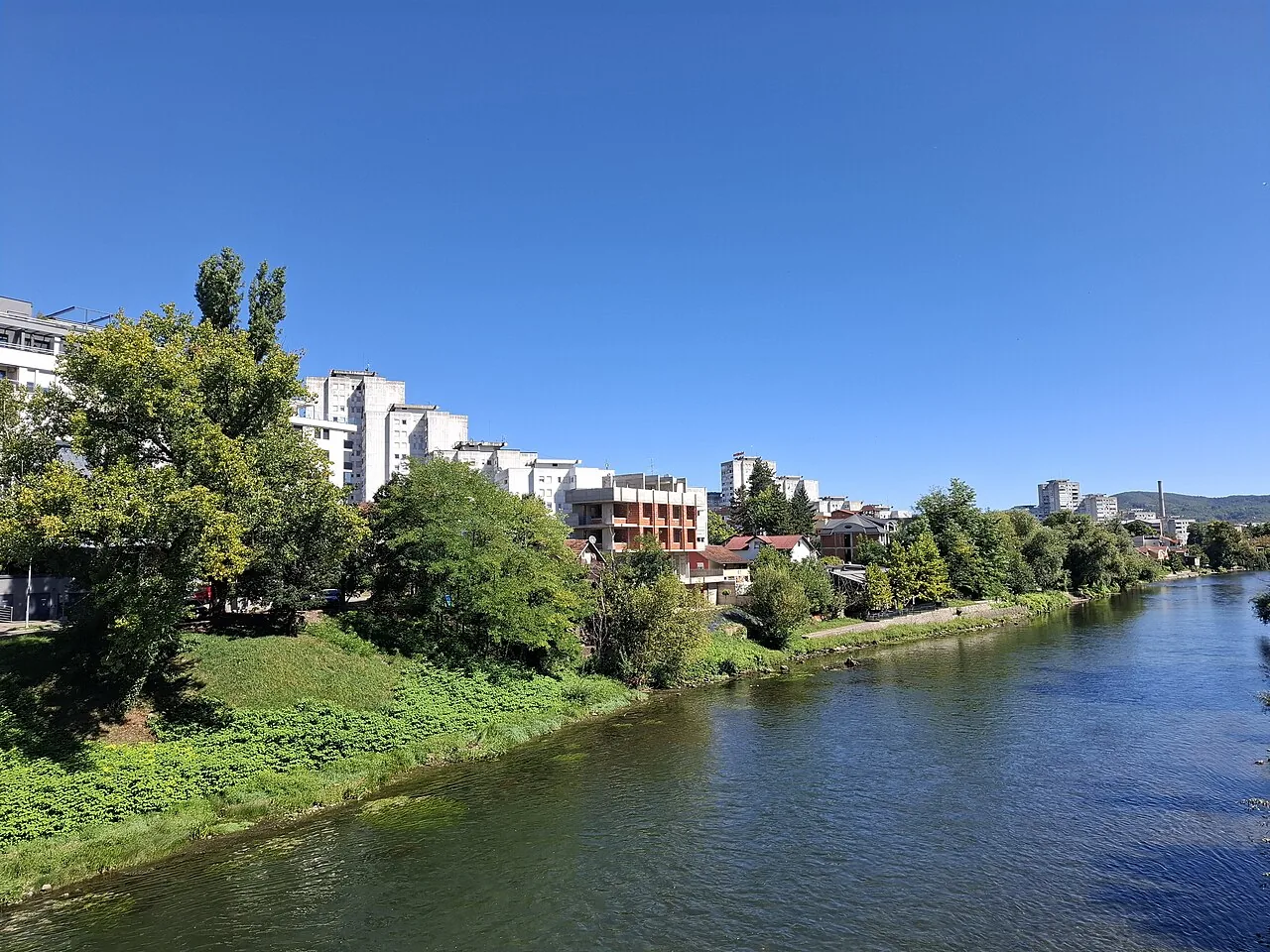
Photo: ArhistefoBL. Source: Wikimedia Commons (Borik i Vrbas Banja Luka.jpg). License: CC0. Downloaded on 16 August 2026
Vrbas River
The primary waterway flowing through the city, lined with parks and pedestrian paths. It is a central feature of the landscape, supporting local recreation and scenic views.
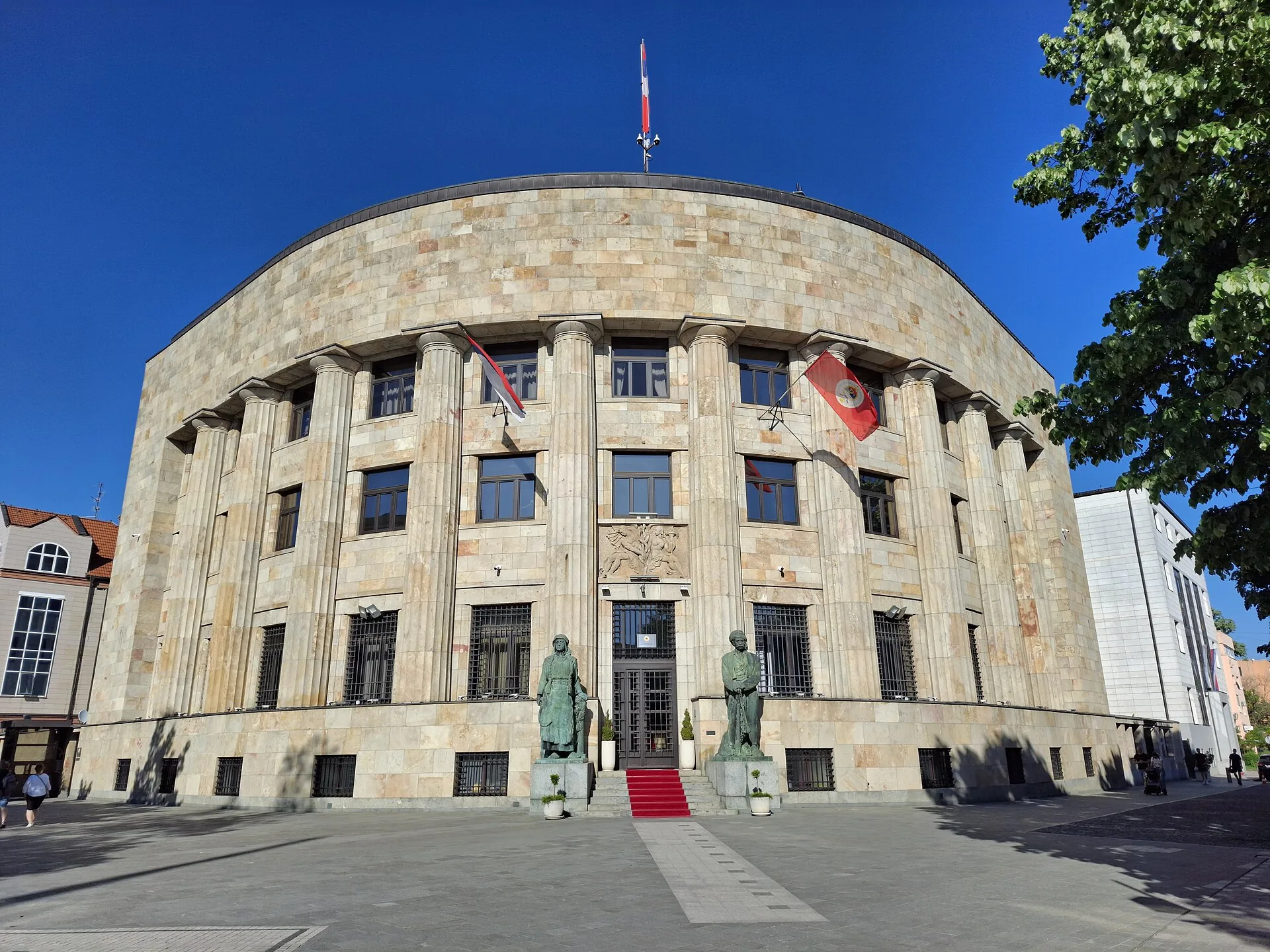
By ArhistefoBL - Own work, CC0, Downloaded on 18 August 2026
Palace of the Republic
The Palace is the official residence of the president of Republika Srpska. It is located in the Center of Banja Luka alongside the famous "Gospodska" street near the Cathedral of Christ the Saviour, Banski Dvor and City Assembly building.